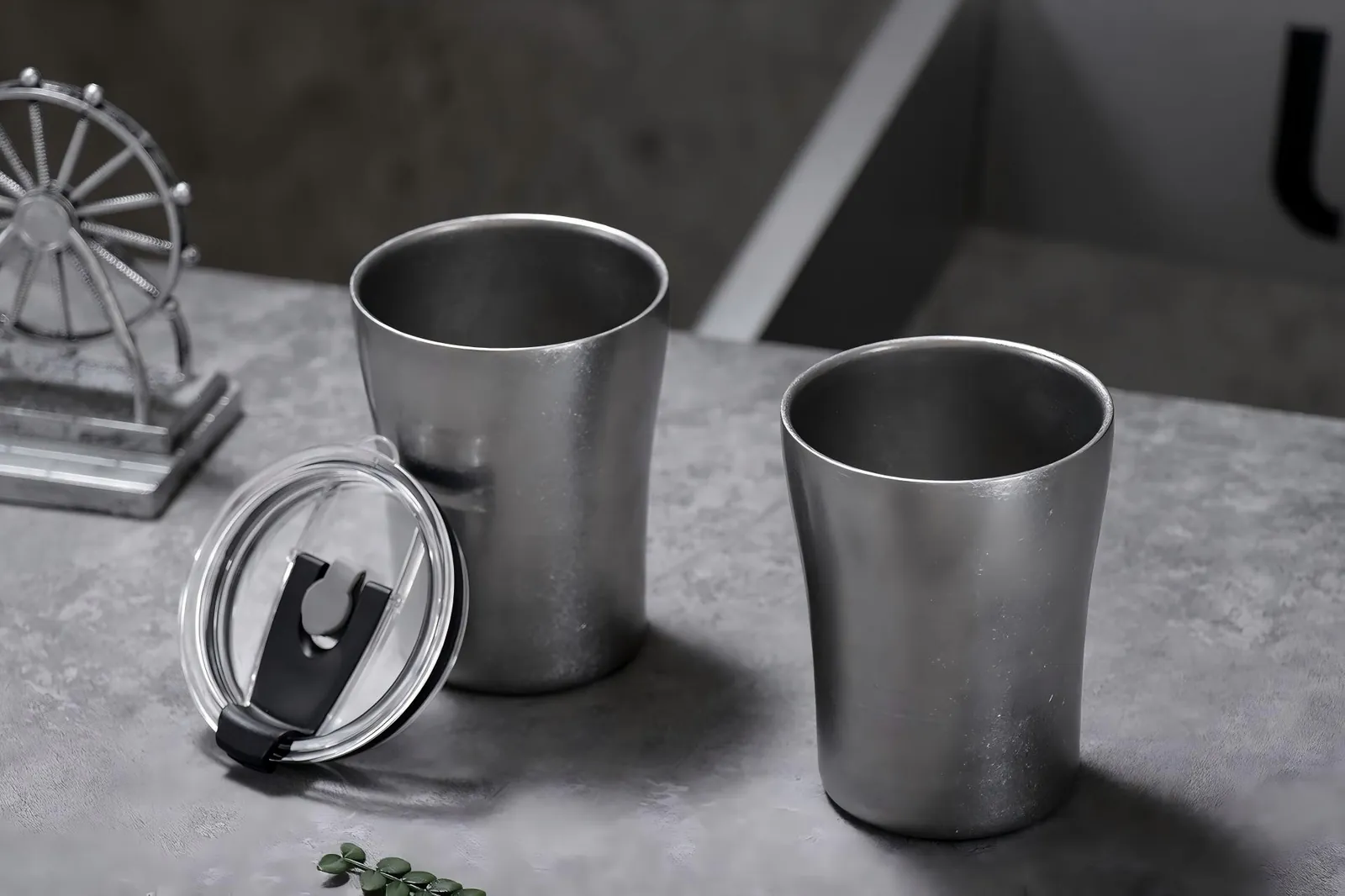
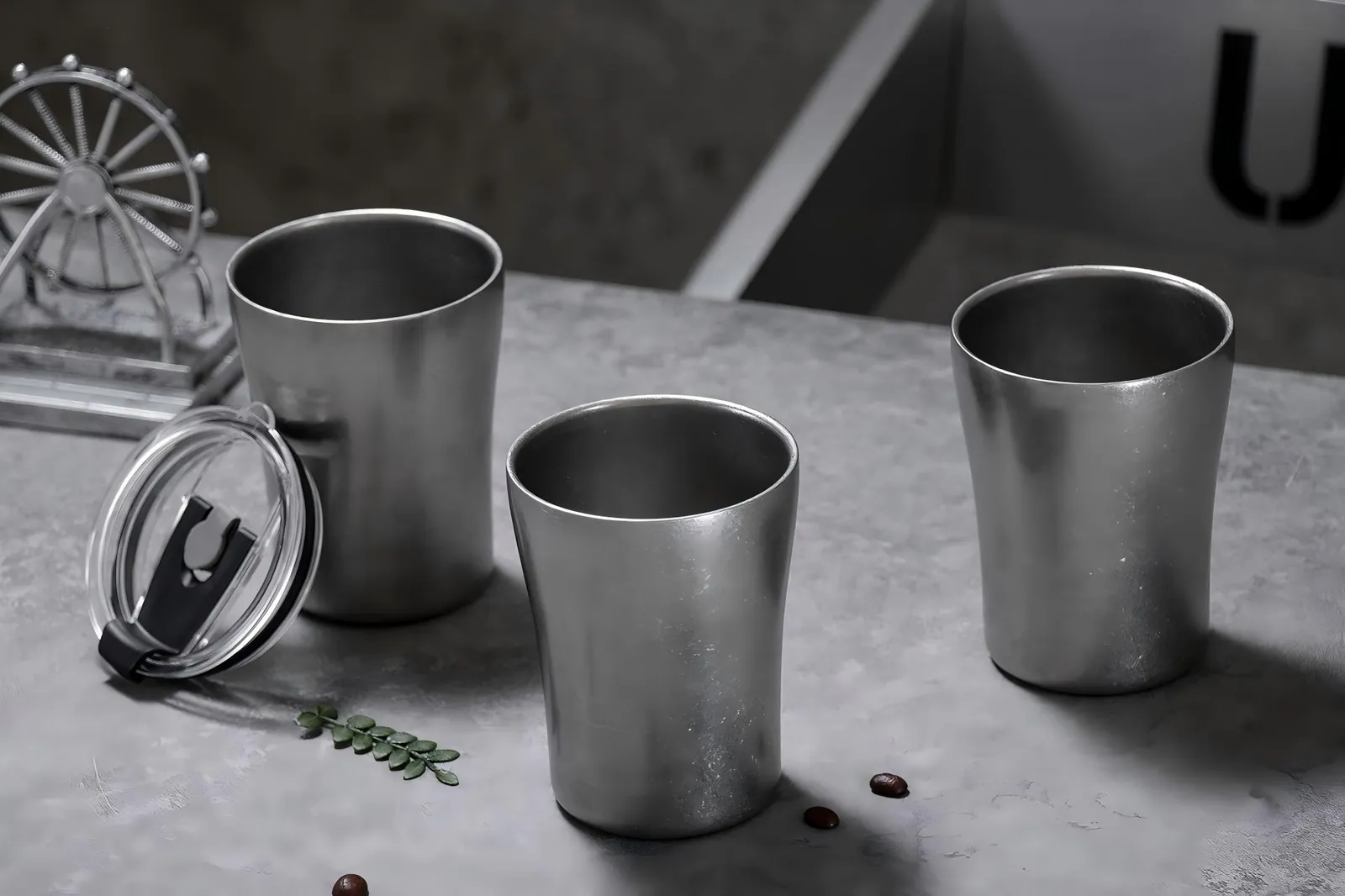
Matte vs mirror polish stainless steel flatware comes down to a single trade-off that decides how your product lives on a real table. Mirror polish delivers a classic, high-shine look, but it shows every fingerprint and scratch. Matte finish — especially our proprietary Snowflake Matte Gray — hides smudges and daily wear while reading as modern and quietly premium. For most B2B buyers in restaurants, gifting, and private-label retail in 2026, matte is the finish that actually sells.
If you have ever unboxed a gleaming mirror set, used it once, and watched it turn into a fingerprint gallery, you already know the pain. This guide settles the debate with facts, not fashion. We will compare how the two finishes are made, how they perform in busy service, and why a gray matte finish is pulling ahead of the crowded "matte black" pack. You will leave knowing which finish fits your brand, your buyers, and your margins.
Key Takeaways
- Matte hides wear; mirror shows it. Matte flatware resists fingerprints and camouflages scratches; mirror-polished surfaces magnify both.
- Both finishes sit on the same 304 (18/10) base. The look changes; the food-grade material does not.
- Matte reads as modern and premium and dominates restaurant, gift, and private-label launches in North America, Europe, Australia, and the Middle East.
- ZACSO's Snowflake Matte Gray is a registered proprietary finish (sandblasted + matte) — a blue-ocean alternative to commoditized "matte black."
- Matte gray is customizable at low MOQ: laser-engraved logo from 100 pieces, custom mold from 500, mixed with 262+ in-stock SKUs.
What "Matte" and "Mirror Polish" Actually Mean on Stainless Steel Flatware
Before comparing, name the thing precisely. On stainless steel cutlery, "finish" is the final surface treatment applied after the piece is shaped and polished. Two entities matter here:
- 304 (18/10) stainless steel is the base material — 18% chromium, 10% nickel, food-grade, and the only alloy ZACSO uses. It is durable in commercial dishwashers and gives cutlery its underlying corrosion resistance.
- The finish is what you see and touch: matte or mirror polished. It is a surface layer of light behavior, not a different metal.
Mirror polish is achieved by progressively finer polishing until the surface reflects like glass. Light bounces straight back, so you get that jewelry-box shine. Matte finish breaks up the surface — through sandblasting, brushing, or a matte treatment — so light scatters instead of reflecting. The piece looks soft, even, and non-glare.
Both can be applied to the same 304 blank. A fork is not "matte steel" or "mirror steel" at the metallurgy level; it is 304 steel wearing one of two coats of light. That distinction matters when we talk about durability, because the finish changes how damage looks, not how fast it happens.
For background on why we build everything on 304 rather than cheaper 430, our material guides cover the grade decision in depth.
Matte Finish: The Modern, Low-Glare Choice
Matte flatware has moved from niche to default in premium food service and gifting. The reasons are functional before they are aesthetic.
Fingerprint Resistance Is a Real Benefit, Not a Slogan
A matte surface scatters oil and skin contact instead of reflecting it. Run a thumb across a mirror fork and the smear catches the light; do the same on a matte piece and the mark all but disappears. In a busy restaurant or a gift-set unboxing, "doesn't show every smudge" is the difference between a product that looks cared-for and one that looks dirty after first use.
This is the single most underrated selling point of matte. Buyers notice it only after they have lived with mirror polish.
Matte Hides Scratches Better
Over months of service, flatware accumulates micro-scratches from dishwashers, sinks, and stacking. On mirror polish, those scratches act like tiny mirrors pointing every which way — the surface looks hazy and worn fast. On matte, the existing scattered texture absorbs new scratches; they simply blend in. The piece ages gracefully instead of looking tired.
Modern, Premium Positioning
Matte signals "considered design" rather than "classic tradition." It pairs with minimalist table settings, dark slate boards, and warm wood — the visual language of contemporary hospitality. For a private-label brand trying to look like a design house rather than a catalogue, matte does heavy lifting at zero extra cost.
Less Glare, Better on Camera and Under Lights
Mirror flatware can throw glare under restaurant spotlights or product photography, forcing retouches and awkward angles. Matte stays composed under harsh light. That is why it shows up constantly in food photography and open-kitchen concepts.
Mini story — a Melbourne brunch group. A cafe group spec'd mirror polish for its flagship site because "shiny means premium." Within a month, staff were polishing forks between every service to hide prints, and the owner admitted the shine "made the food look greasy under our lights." They switched the next location to our Snowflake Matte Gray and stopped hand-polishing entirely. The matte site photographed better and needed no pre-service wipe-down.
Mirror Polish: Classic Shine With a Maintenance Cost
Mirror polish is not wrong — it is traditional, formal, and still the right call for certain settings. But honesty about its costs keeps buyers from a rude surprise.
It Shows Fingerprints Immediately
The same reflectivity that makes mirror polish gorgeous also makes it a fingerprint magnet. A single touch leaves a visible crescent. In a home setting that is a minor chore; in a 200-cover restaurant it is a labor line item.
It Reveals Scratches Faster
As noted, mirror surfaces broadcast wear. A set that looked showroom-new at launch can look "used" within a season of commercial dishwashing. That shortens the perceived lifespan and pushes replacement cycles earlier than matte.
When Mirror Still Wins
Banquet halls, luxury fine-dining, and formal gifting sometimes want maximum shine for the spectacle. If your buyer's brand is "classic elegance" and service staff can maintain the pieces, mirror polish earns its place. The mistake is assuming mirror is automatically more "premium" — for most modern B2B brands, it is simply more work.
Mini story — a US gift retailer. An e-commerce seller launched a holiday flatware set in mirror polish because competitors did. Returns cited "arrived looking smudged" and "scratched after one wash." The following season they relaunched the same shape in our matte gray with a "fingerprint-resistant" callout. Return rate dropped and review sentiment flipped to "looks expensive, stays clean." Same product, different finish, different outcome.
Snowflake Matte Gray: Our Proprietary Matte vs Generic "Matte Black"
Here is where positioning beats imitation. Shop cutlery finishes online and you will see the same two words everywhere: "matte black." Every competitor says matte black. It is a red ocean — crowded, commoditized, and impossible for a buyer to tell one brand from another.
ZACSO's answer is Snowflake Matte Gray (雪花哑光灰), a registered proprietary matte gray finish built from sandblasting plus a matte treatment. It is fingerprint-resistant and scratch-hiding like any good matte, but the gray tone is ours — competitors cannot copy the name or the exact look.
The contrast is strategic:
| Generic "matte black" | ZACSO Snowflake Matte Gray |
|---|---|
| Available from every supplier | Registered, proprietary, exclusive |
| Often a coated or plated black that can wear | Sandblasted + matte gray on 304 base |
| Hard to differentiate your brand | A defensible, ownable signature |
| Trend-following | Trend-setting gray |
Because the name and finish are ours, a buyer who specifies Snowflake Matte Gray gets something competitors literally cannot ship. That is the blue-ocean logic: instead of fighting in the matte-black crowd, you own a distinct, defensible look that still delivers every functional benefit of matte.
Want the full technical and design story behind our signature finish? Read Snowflake Matte Gray: A Signature Stainless Steel Flatware Finish — and see why gray is overtaking black. Contact our team to request matte gray samples →
Which Finish Sells Better in 2026?
The honest answer: it depends on the buyer, but the trend line points one way. Across our B2B engagements in North America, Europe, Australia, and the Middle East, matte — and specifically matte gray — is winning new launches. Three forces drive it:
- Social and menu photography reward low-glare surfaces that stay clean on camera.
- Labor sensitivity in hospitality makes fingerprint-resistant flatware a practical cost saver.
- Brand differentiation pushes private-label sellers away from "matte black" toward a signature look they can own.
Mirror polish retains a loyal base in formal and traditional segments. But if you are launching a new line and want it to look current, matte is the safer bet. And if you want matte that is also distinct, proprietary Snowflake Matte Gray beats generic black on every axis.
The process behind a durable matte gray — how sandblasting and surface treatment compare to coating methods — is worth understanding before you spec it. Our companion piece, PVD Coating vs Electroplating for Stainless Steel Cutlery, breaks down which surface technologies actually last.
Mini story — a German private-label startup. A two-person brand wanted cutlery that looked "designer, not commodity." Matte black was rejected as "what everyone else sells." They specified Snowflake Matte Gray with a laser-engraved logo at our 100-piece MOQ and mixed in stock pieces to complete the set. The gray finish became their hero shot; retailers remembered the product by its color. Low MOQ let them launch before committing volume — and the finish did the branding for them.
Can You Customize Matte Gray Flatware?
Yes — and the barriers are lower than most buyers expect. At ZACSO (佐绅), the B2B 304 stainless steel cutlery manufacturer behind RayOnMe, customization tiers are:
- Logo customization: laser engraving of your mark or text from 100 pieces. No mold fee for the shape; fast to set up.
- Mold / shape customization: a custom mold from 500 pieces, changing the actual form of the spoon, fork, or knife.
- Ready stock mix: 262+ SKUs in ready stock can be combined in the same shipment as your custom matte pieces, so you can complete a full place setting without raising your custom MOQ.
Snowflake Matte Gray is available across both customization tiers and the stock range, so a 100-piece private-label run can still look unmistakably premium. Both finishes — matte and mirror — are offered on the same 304 (18/10) base, tested by SGS in 2022 (sample-based) for food-contact compliance. We never claim a blanket "FDA certified" stamp; the testing was sample-based, and we are straightforward about that.
Ready to spec matte gray with your logo or shape? Contact ZACSO for a custom quote → — tell us your tier, your finish, and whether you want stock mixed in, and we will scope it.
FAQ
Which flatware finish is more modern, matte or mirror polish? Matte is generally considered more modern. Its low-glare, even surface fits contemporary hospitality and minimalist table settings, while mirror polish reads as classic and formal. For new B2B launches in 2026, matte — especially matte gray — is the on-trend choice.
Does matte stainless steel flatware show fingerprints? No, matte finish is fingerprint-resistant. Its scattered surface diffuses skin oils and smudges so they barely register, whereas mirror polish reflects them immediately. This is why matte is favored in busy restaurants and gift sets.
Which finish hides scratches better, matte or mirror? Matte hides scratches better. Micro-scratches from dishwashers and stacking blend into matte's existing texture, while mirror polish magnifies them and looks worn faster. Matte ages gracefully; mirror shows its age.
Is matte flatware more expensive than mirror polish? Not necessarily. Both finishes are applied to the same 304 (18/10) stainless steel base, so material cost is identical. Any price difference comes from the specific process (e.g., proprietary sandblasted matte gray vs standard polish), not from the finish category itself.
Can I get matte gray custom cutlery with my logo? Yes. ZACSO offers Snowflake Matte Gray — a registered proprietary matte gray finish — with logo laser engraving from 100 pieces and custom molds from 500 pieces, mixable with 262+ in-stock SKUs. It is customizable for private-label and OEM programs.
Which finish is better for restaurants? Matte is usually better for restaurants. It resists fingerprints, hides scratches under constant dishwashing, and reduces pre-service polishing labor. Mirror polish suits formal fine-dining where staff can maintain the shine, but demands more upkeep.
Conclusion
The matte vs mirror polish stainless steel flatware debate is really a question of where your product lives: mirror polish wins on classic shine but loses on maintenance and differentiation, while matte — and especially proprietary Snowflake Matte Gray — wins on fingerprint resistance, scratch-hiding, modern positioning, and brand ownership. Both sit on the same durable 304 (18/10) base, so the choice is about look and labor, not safety.
For new B2B launches across North America, Europe, Australia, and the Middle East, matte is the finish that sells — and a signature gray beats generic black for standing out. With logo customization from 100 pieces, custom molds from 500, and 262+ in-stock SKUs to mix, the barrier to a premium matte line is lower than ever.
Your next step is a conversation, not a contract. Contact ZACSO for a custom matte gray quote →, or dive deeper into our signature finish: Snowflake Matte Gray: A Signature Stainless Steel Flatware Finish.